Käkade på ett ställe, nyttjade toan.
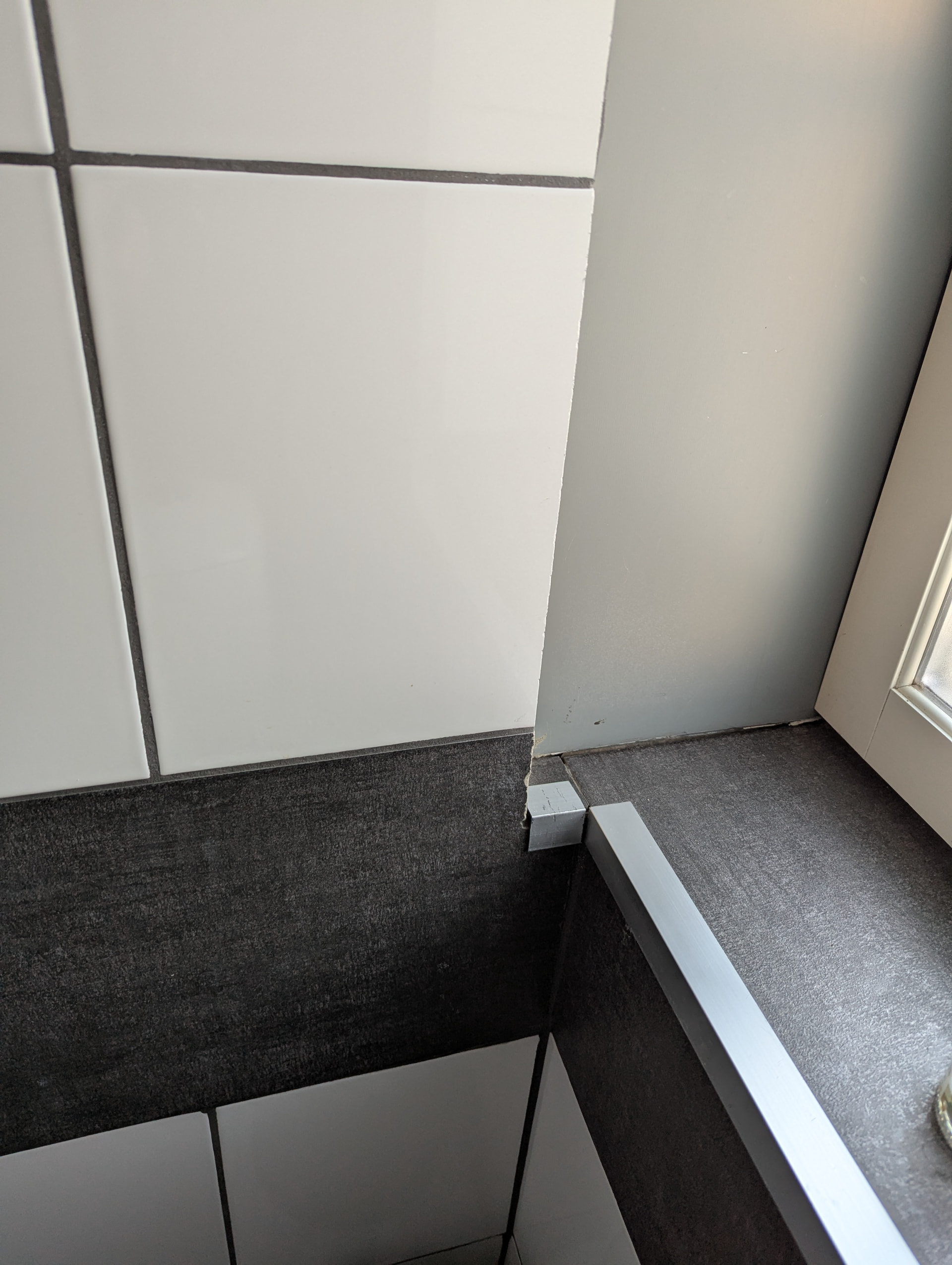
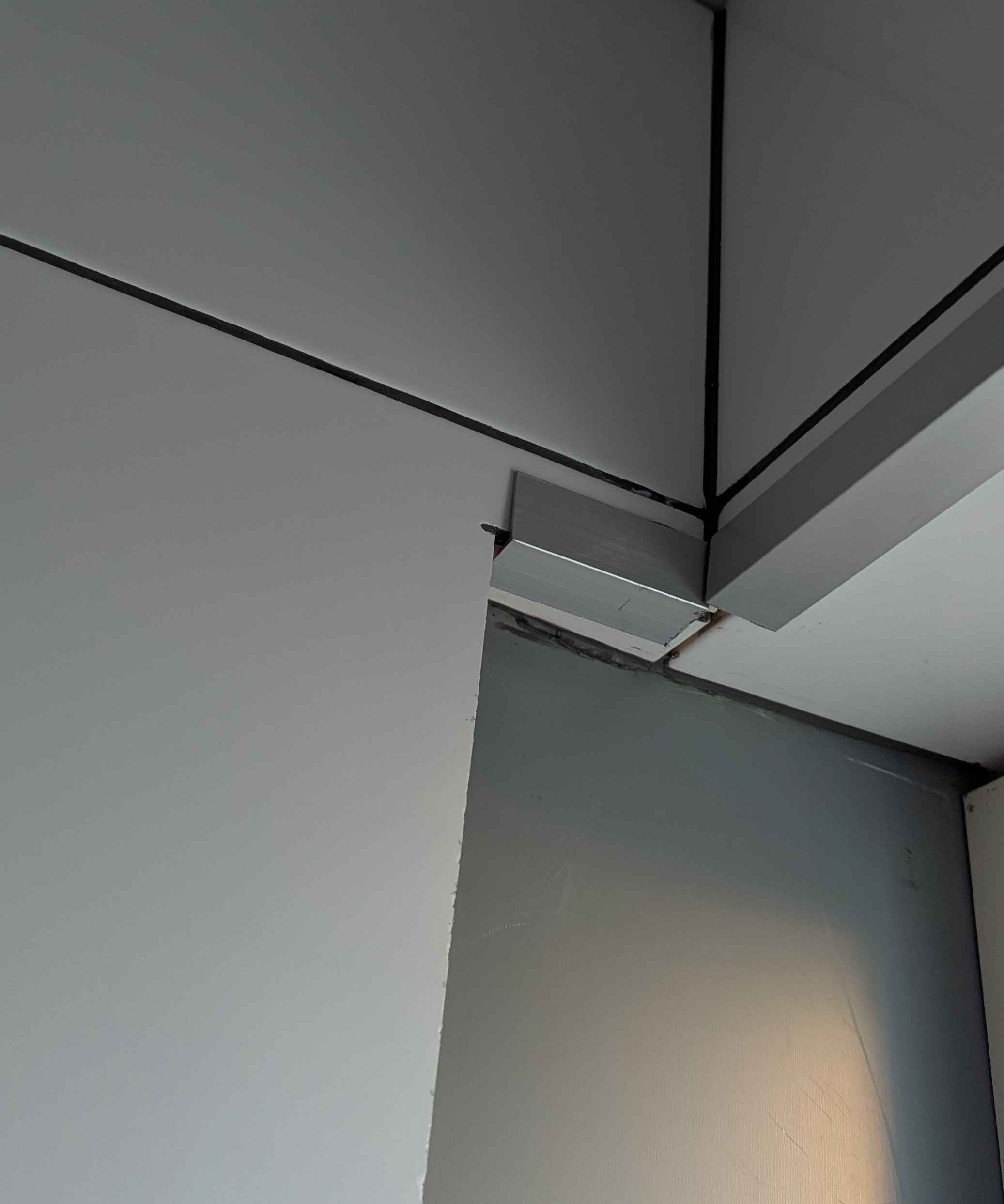
Snabbt och billigt. Inte bra. 
Såg jag att en av mina Fb-bekanta släppt en bok som ser läsvärd ut. Fick ett utdrag för påseende för en tid sedan och ska se om jag hittar det.
SCOTLAND
The rain hadn’t stopped since they crossed the firth.
Wind off the North Sea slid beneath Sean’s hoodie like a blade.
He leaned to the window. Rain streaked the world into motion—stone walls stitched through wet fields, sheep crouched like damp stones, the road cutting between them, dull and sure as regret.
He hated it already.
In his father’s office, Scotland had lived in black-and-white—links land and long shadows, men in wool and weather. But photographs don’t carry smell. Or silence.
New York had heat off pavement, the hiss of bus brakes, the music leaking from somewhere down the block.
Scotland had wind. Wet stone. The sound of your own breathing.
Mist thickened as they rolled into the village, cobbles shining like wet bone.
Two old men stood outside the post office, caps low, coats glazed with rain. Their talk stopped as the car slid past. Sean felt their eyes before he saw them—curious, measuring.
An American with an Irish name. O’Connor.
The name hung in the air like smoke that wouldn’t clear.
He didn’t know why.
His father’s shoulders did.
Flags snapped above the church roof. Inside, the air smelled of stone and loss.
Sean shifted in the pew, staring at the coffin—at the narrow frame of the woman he’d never met.
A photograph showed kind eyes in a lined face. He wished he’d known her.
He wished a lot of things.
Condolences came in whispers and paper-dry hands.
“She spoke of you often,” an old woman said, palm dry as straw.
Sean smiled, and didn’t believe her.
His father moved like a man on a wire—careful, controlled, eyes fixed forward.
The accent he’d sanded down in America sharpened at the edges here.
Then Sean saw him.
A man in a flat cap stood apart, broad-shouldered, weather carved into his face like chisel marks.
He didn’t move or nod. He just watched.
Sean’s mother touched his arm and led him across the aisle.
“Dad,” she said softly. “This is Sean.”
The old man’s eyes ran over him once, slow, weighing.
No handshake. No lean-in. Just a voice like gravel in a pail.
“So. You’re the golfer.”
Sean swallowed. “I play.”
“Aye.” Nothing more.
Silence pooled between them. Behind it, his father stood a step back, jaw tight, face blank.
The air between father and father had a fence in it, and everyone could feel the wire.
They buried his grandmother in rain that felt less like weather, more like the way the place breathed.
Back at the cottage, the world seemed to exhale. Peat smoke wound through the low rooms, curling against the glass and softening the smell of rain. The fire hissed, dogs sprawled in the doorway, and the stew on the table gave off a tired warmth that almost felt like silence made visible.
No one spoke much. His mother’s spoon traced the same small circle through the bowl. His father chewed like a man trying to remember how to eat. Only the old clock in the corner kept its rhythm, ticking on as if it didn’t care who had died.
Later, under the rafters, Sean lay in the half-dark, his phone lighting the bones of his face. The group thread buzzed — money games back home, someone bragging about a six-iron that shattered a window. He typed Scotland’s a swamp and erased it before he hit send. He didn’t want jokes. He wanted to disappear.
He set the phone down and listened to the rain. It wasn’t falling so much as breathing against the roof, a long, steady exhale that filled the space between thoughts. But thoughts have a way of finding their way through.
The memory came the way all bad ones do — quiet at first, then total.
Not three feet. Not two. One. A one-foot putt.
July. Heat in the air, his heart calm, the cheer already forming behind his eyes.
Then something inside him — hands, breath, thought — froze.
He jabbed, saw the ball veer right, and with it the sound of every dream he’d had slide away.
The silence that followed was worse than the miss.
Then came the laughter — small at first, then wider, the kind that sounds like mercy but isn’t.
By nightfall the name had found him.
Choker.
It followed him everywhere — through locker rooms, through corridors, through the low buzz of text threads that went quiet when he entered the room. He didn’t have to hear it anymore; the word lived in the space between his breaths.
Tommy Dunn still had that grin. He wore it like armor, easy and bright. Sean nodded when they crossed paths, then walked away with something cold moving through him, the sound of that missed putt dragging at his heels.
He tried to tell his mother once. She said it was only a game.
He tried to tell his father once. His father looked at him, silent. That was worse. The silence felt like truth.
So he worked. Hours on the putting mat. Drills until midnight. The more he worked, the tighter it wound. Every short putt came with a shadow beside it — the grin, the laugh, the word.
He started calling it the wall. Not something he’d hit, but something he’d built. Shame. Pride. Silence. Brick by brick.
And it followed him here — Scotland, no crowds, no stakes. Same wall.
He rolled onto his side and stared at the beams. Rain whispered at the roof, steady as a heartbeat. He counted drops to stay awake, to keep his thoughts from circling back.
The word still found him.
He whispered into the dark, “I’m not.”
Only the rain answered.
When he finally slept, it was into a dream of fairways that never ended and holes that never came.
By morning the fire had burned low. Smoke hung flat in the rafters, the world outside washed pale and clean.
They did village things: paper bags from the shop, nods that weren’t quite smiles, his mother’s voice soft over the kettle. His father’s silence was a room you could walk into and get lost.
Three days later, the rain finally broke.
The sun came thin and white, the kind that doesn’t warm but reveals. Fields gleamed under it, slick with new light, every blade of grass trembling. The air smelled of salt and smoke and something clean, like the earth had been rinsed.
Sean stepped outside and drew the cold in. For the first time since arriving, the horizon wasn’t a blur. Stone fences ran clear to the edge of sight. The wind tugged at his sleeves, not cruelly, almost like a greeting.
Then he heard it.
Tsschhh.
That sound — once you’ve lived it, you never forget it. A ball struck flush.
He froze, pulse sharp.
It came again, faint through the wind. Tsschhh.
He followed it around the cottage, gravel crunching under his boots, the sound pulling him forward like a thread.
The field rolled away in low humps and hollows. Two dogs sat at the far end, tense, watching something downrange. The sky was washed steel. Then movement — a figure.
The old man stood there coatless, sleeves rolled, cap low.
The swing wasn’t pretty or young; it was true — a rhythm stripped bare, nothing extra.
The club rose slow, dropped through, and the sound cracked the air like the truth cutting through noise.
The ball climbed against the pale sun, flew on a narrow window, landed running — chasing the shape of the land until the far dog leapt and caught it, tail wild in triumph.
Sean stopped cold.
He hadn’t known. No one had said. His grandfather was a golfer.
Not a hobbyist, not a weekend hand. A player — built in wind and weather, the kind of swing forged when no one’s watching.
The man set another ball, calm as ritual.
Another swing.
Another sound — clean, spare, inevitable.
Sean felt the thud of it in his chest more than in his ears.
The old man turned then, slow, eyes narrowing against the light.
“What are you doing out here, boy?”
“I—” Sean’s voice caught. “I didn’t know you played.”
The corner of the man’s mouth twitched. “Aye. I played.”
He set another ball and sent it sailing. The dogs ran, white flashes against the dark grass.
“They say you’re handy,” the old man said without looking up.
Sean shrugged. “I’m all right.”
“Aye.” The word carried a lifetime. “We’ll see.”
He hit until the pocket was empty. Then he shouldered the old canvas bag, lit his pipe, and walked past without another word — dogs falling in behind him, tails swaying like metronomes.
Sean stood in the wind, the echo of each strike still ringing somewhere inside him.
Two white dots glimmered in the far field where the balls had come to rest — finished exactly where they were told.
His eyes stung. He told himself it was the wind.
He turned and followed the path of flattened grass home.
“Sean thought it was just a golf shot. It turned out to be a lesson for life. — Chasing the Burn”
The old man stopped, pulled a ball from his pocket, and pointed to a crooked tree in the distance. It leaned against the horizon, bare branches etched black against the mist.
Sean squinted. “How far is it?”
His grandfather didn’t answer. Instead, he held out two clubs—a 6-iron in one hand, a 7-iron in the other. “Pick one.”
Sean hesitated, eyes flicking between the shafts.
The old man’s face didn’t move. No hint. Just the two clubs, heavy in his hands.
Sean swallowed, reached, and took the 7-iron. He addressed the ball, swung, and sent it climbing into the grey. It fell short, bouncing into the turf about ten yards shy of the tree.
Frustration flared. He bent quickly for another ball, hand reaching toward the 6-iron.
But his grandfather pulled it back, eyes narrowing under the cap. “No, lad. You made your choice.”
Sean froze; breath caught in his throat.
“You’ll never know what the 6-iron would’ve done,” his grandfather said. His voice was flat, final, cutting through the mist like a blade. “That’s life. You make a decision, and you live with the consequences. You don’t get to find out what the other road would’ve been. Same on the golf course. You choose your club, you hit your shot, and you stand by it. You don’t waste yourself thinking about what might’ve happened if you’d swung the other. That truth never changes—in golf or in life.”
The words hit hard. Sean stared at the crooked tree, the 7-iron still heavy in his hands. The miss didn’t matter anymore. The choice did.
The dogs barked at the far fence, joy echoing into the fog. For the first time since July, he felt the wall inside him crack—just a hair, but enough for light to slip through.
2 gillningar
Åkte jag idiotiskt nog längskidor på fjällsemestern. Blåslagen, förfrusen och en bicepssena som antagligen behöver operation.
Men vad har du gjort? Förfrusen?? Operation???
Stenhårda spår, dåligt preparerade. Föll helt enkel helt i obalans, vid ganska plan åkning, och det var inte i pudersnö jag föll. Ont i biceps på ett sätt som inte kändes rätt, frugan kollade och drog med mig till fjälldoktorn och de var eniga om att nån av senorna inte är helt av men ändå antagligen behöver operation men inte akut. Vi skall hitta ortoped då vi kommer hem. Har alltid haft otroligt dålig balans på skidor och borde åkt mycket enklare spår. Apostlahästarna är mitt föredragna konditionsfortskaffningsmedel. Det blir stärkande promenader resten av vistelsen
Alla är vi olika.
Nuförtiden händer det att jag snubblar på ett plant golv när jag går
Med de två meter långa fot-förlängarna i längdspåret är allt mycket enklare.
Tänk på att gamla gubbar inte läker lika fort…
(styrkekram)
1 gillning
Much appreciated.
Nu är det bara stärkande promenader för den här gubben, och en av ungdomarnas disney+. ”Ensam hemma”… och i den Adams Julsång. Engelska texten. Otroligt lam jämfört med den svenska. Inget ”folk fall nu neder och hälsa glatt din frihet, O helga natt!” Änglar, divine och whatever. En del svenska översättare är för djävligt bra.
Mäktigt. Bästa julsången. Min morfar var en gudabenådad sångare och sjöng denna efter lutfisken och före julklappsutdelningen.

Rysningar!
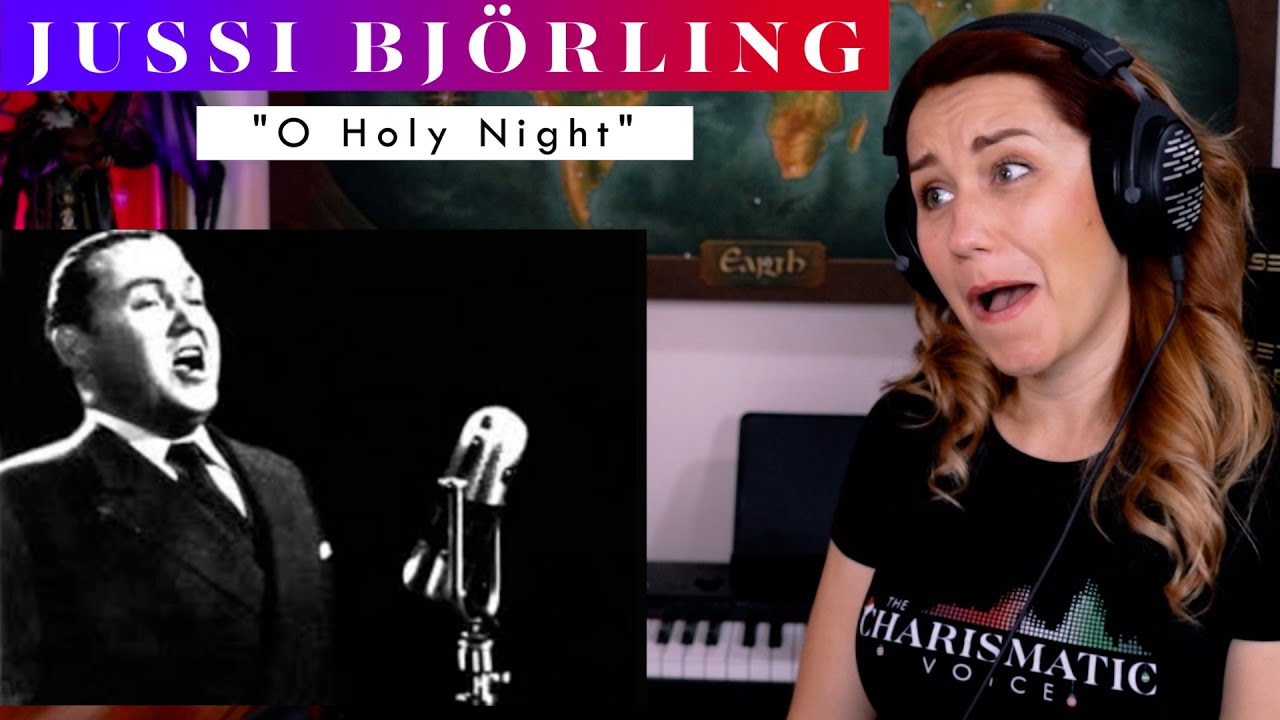
“Reaction-videor” är ju oftast sisådär. Men den här tycker jag är givande att kika på.
I övrigt har ju vi på SR en tradition att spela just Jussi och O Helga Natt som första låt efter nyheterna 00:03 när det blivit julafton.
För nåt åt sen var det en kollega som kanske inte är så “traditionsbunden” som efter några takter bröt in med akut-tutan och sen ett ganska långt meddelande där han varnade för en stillastående lastbil med punktering.
Gemensamma mailkorgen den natten/morgonen osade hett!
3 gillningar
Hon är bra, har kikat en del på hennes videor tidigare.
1 gillning
God Jul min vän! 

Hoppas att vi får tillfälle att träffas och lira lite golf nästa säsong.
1 gillning
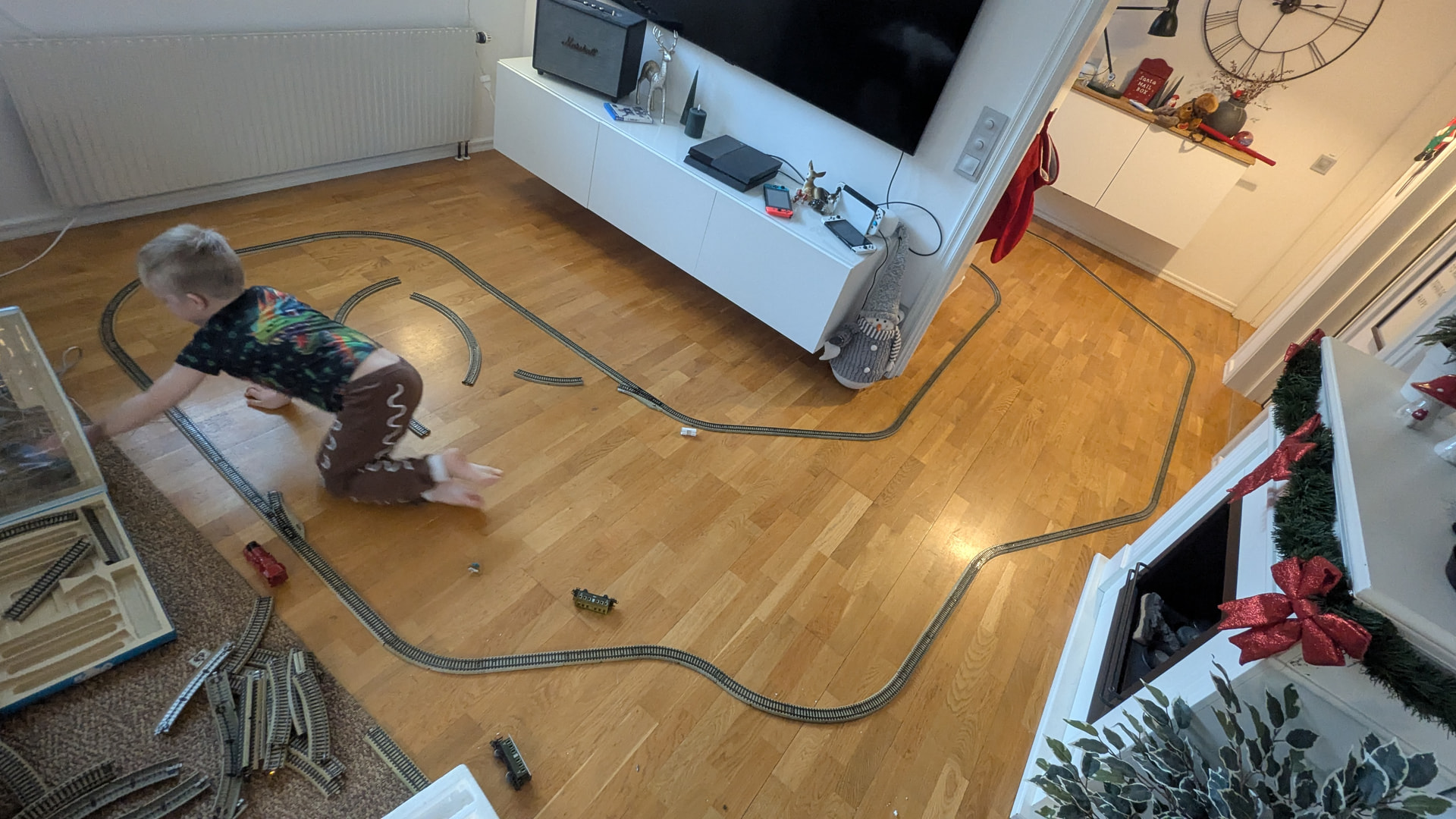
Härligt! Det blir fart och händelser när barn är med och hittar på saker! Enjoy!
So powerful. Jag får tårar i ögonen när han klämmer i från tårna med ”folk fall nu neder”.
2 gillningar
Och hon fattar säkert inte svenskan, snacka om anti-Hellström. O helga natt, lite vassare än Noel, noel. Har ägnat lite av min längdåkningskonvalescens åt att hitta den svenska översättningen men det verkar vara någon okänd.
Jussi är outstanding, förstås, men jag har hört andra vassa versioner.
Farsan fick faktiskt, lite över 20, tullinspektörens biljetter till operan där en Jussi, då på dekis sjöng men trots att han var i dåligt skick var det var tydligen nåt oerhört.
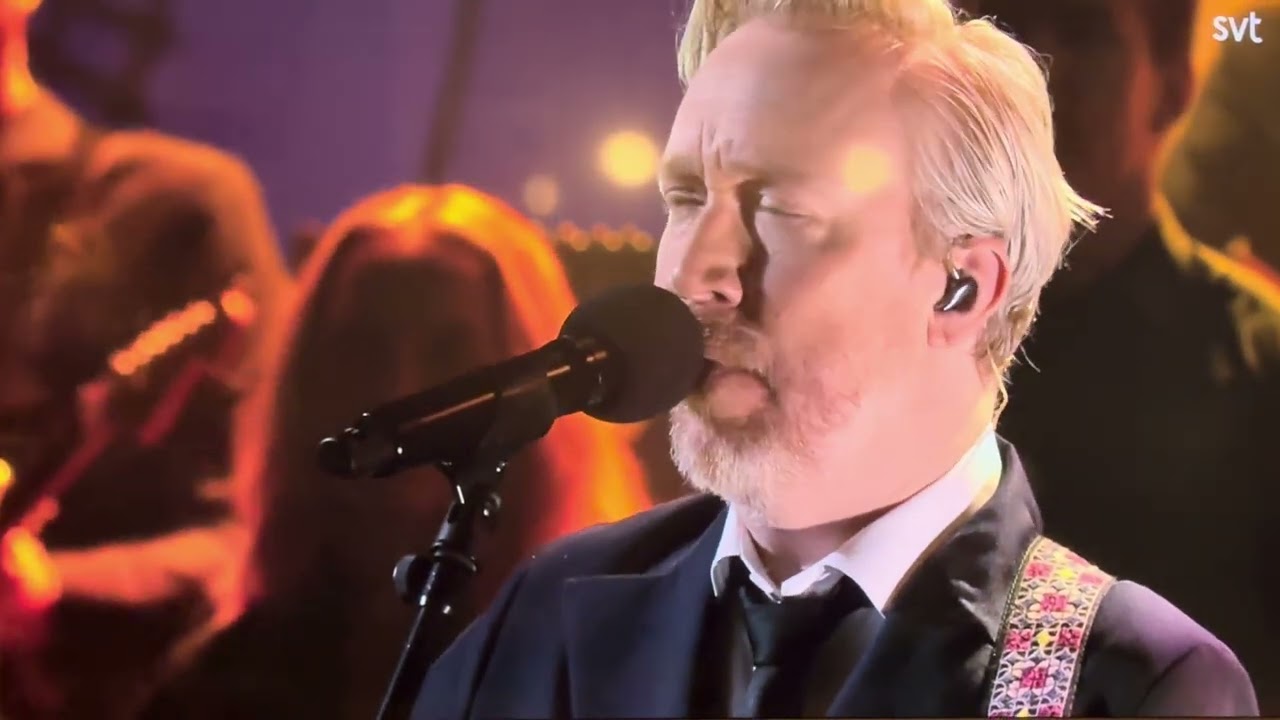
Det här var övrigt för jävla fint arrat.
1 gillning
Speciellt när fred kommer in i 200…
1 gillning